24/7 · (905) 318-1242

Field manual · Section 03 · Complete records

The pest library

Burlington Pest Control specializes in the extermination of Southern Ontario's most prominent pests and rodents. These are the thirteen specimens that generate most calls, with the habits and field signs that give each one away.

Fig. 01
Rats specimen photo
RatsRattus norvegicus

Rats

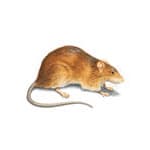
The average Norway rat is about 16 inches long and weighs about 340 grams. A single female can produce over 60 offspring in a year.

Field signs

Droppings, gnaw marks on wood and wiring, burrows near foundations, noises in walls after dark.

Norway rats reach sexual maturity in 75 to 90 days and average 6 to 14 pups per litter, with 3 to 6 litters in a typical year. In ideal conditions, inside a structure with no predators or weather to fight, that can climb to 10 or 12 litters.

Rats squeeze through openings as small as half an inch. Common entry points are under garage doors, gaps where the soffit meets the brick, central vac lines and air conditioner hose penetrations.

The treatment

Licensed anticoagulant formulations in palatable meal bait deliver long term control without the odour problems of over the counter products, which rodents build immunity to over time.
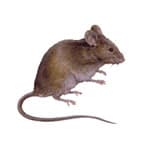
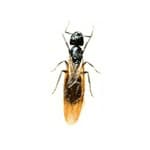
Fig. 02
House Mice specimen photo
House MiceMus domesticus

House Mice

The house mouse is 5 to 8 inches long and can weigh about 36 grams. A female can produce 42 to 60 offspring in a single year.

Field signs

Small droppings in cupboards and drawers, shredded nesting material, scratching in walls at night, pet food disappearing.

In ideal conditions house mice produce litters of 2 to 13 after a gestation of just 18 to 21 days, spacing 6 to 10 litters between 30 and 50 days apart. The only things that slow them down are temperature, food supply and competition.

A mouse fits through a gap of five sixteenths of an inch. Once inside a warm structure with food and harbourage, a population establishes fast and reproduces year round.

The treatment

An Integrated Pest Management program: identify the population, correct sanitation and entry issues, then apply professional baiting tailored to the home.

Fig. 03
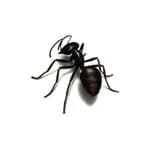
Carpenter Ants specimen photo
Carpenter AntsCamponotus modoc

Carpenter Ants

Tenacious insects that can do thousands of dollars of damage behind the walls, completely undetected by the homeowner.

Field signs

Seeing 4 or 5 large ants at night, fine sawdust below baseboards or window frames, rustling sounds inside walls.

A parent colony holds a queen, her brood and over 2,000 workers, with satellite colonies spread through the home. The queen never leaves the main nest, and 80% of nests occur in the attic.

Carpenter ants are nocturnal. You could have thousands of ants in the walls and only ever see a handful at a time. Killing the queen is the only effective treatment, and a baseboard spray will never reach her.

The treatment

The entire home is treated top to bottom with an odourless insecticide, concentrating on the foundation, water pipes and attic. Free estimates, with a written one year guarantee.

Fig. 04
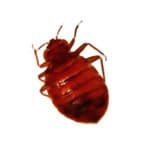
Bedbugs specimen photo
BedbugsCimex lectularius

Bedbugs

Virtually wiped out 50 years ago, bedbugs are back across all of North America including the entire GTA, according to the National Pest Control Association.

Field signs

Faecal specks along mattress seams, translucent shed skins, itchy bites in rows, small blood marks on sheets.

Adults are a quarter inch long, feed on blood and come out mainly at night. Hatchlings are small enough to pass through a stitch hole in a mattress, and even adults slip into tiny cracks in furniture.

Bedbugs are almost impossible for a homeowner to treat. Hardware store pesticides do not work and are not approved for spraying on mattresses.

The treatment

All mattresses, dressers, baseboards and furniture are treated with MOE approved water based odourless insecticides, using Micro Injector technology that reaches inside mattresses and furniture. You keep your mattress, and the service is fully guaranteed in writing.

Fig. 05
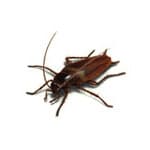
Cockroaches specimen photo
CockroachesBlattella germanica

Cockroaches

Southern Ontario deals mainly with German, Oriental and Brown Banded cockroaches. All are nocturnal and prefer dark places.

Field signs

Roaches scattering when a light flips on, droppings like coarse pepper in cupboards, a musty odour in kitchens.

Roaches arrive in boxes, groceries, used clothing and appliances. They establish in kitchens and bathrooms where food and moisture are close together.

The treatment

Most infestations are handled with Max Force paste bait, safe enough that you do not need to clear out food and dishes. It keeps working for up to a year and is used in food establishments and hospitals. Heavy infestations get insecticide and fogging for total control.

Fig. 06
Ants specimen photo
AntsLasius niger

Ants

Many ant species live in Southern Ontario. Most are a nuisance, but left untreated some species do real damage to a home's structure over time.

Field signs

Steady ant trails along baseboards and walkways, small soil mounds between patio stones, ants around pet food.

Ants are social insects that generally nest in wood or soil. The species matters: garden ants are a nuisance, while carpenter ants are a structural threat that needs its own treatment plan.

The treatment

Identification first, then a targeted exterior and interior treatment matched to the species rather than a one size fits all spray.

Fig. 07
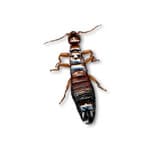
Earwigs specimen photo
EarwigsDermaptera

Earwigs

An outdoor insect that becomes a major problem once it moves indoors, usually at night in late summer and early fall.

Field signs

Earwigs under door mats, in laundry and bathrooms at night, damage to soft garden plants.

Recognizable by the two pincers protruding from the rear, earwigs are considered pests for their appearance and the foul odour they release when crushed.

The treatment

Treating inside alone does not work. Control requires treating the interior and the full exterior perimeter together.

Fig. 08
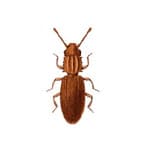
Grain Beetles specimen photo
Grain BeetlesColeoptera

Grain Beetles

Pesky little insects that come out of pet food, rice, cookies and flour, carried home from the food store.

Field signs

Small beetles inside flour bags, cereal boxes and pet food containers, often near pantry corners.

Many species are dealt with locally, but nearly all feed on stored products brought home from retailers. Larvae generally feed on the same foods as the adults.

The treatment

Source removal plus targeted treatment of cupboards and storage areas breaks the cycle.

Fig. 09
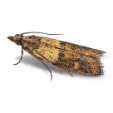
Meal Moths specimen photo
Meal MothsPlodia interpunctella

Meal Moths

Indian meal moths are the most common stored food moth. The larvae do most of the damage; the adults are what you see flying.

Field signs

Small moths flying out of the pantry, webbing inside food packages, larvae in flour, grains or dried fruit.

For proper control all open food must unfortunately be discarded, cupboards cleaned out and washed, and the area properly treated with an insecticide.

The treatment

Cupboard cleanout guidance plus professional insecticide treatment of the pantry area.

Fig. 10
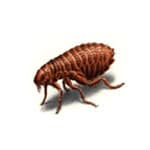
Fleas specimen photo
FleasCtenocephalides felis

Fleas

An eighth of an inch long, wingless and built to feed on blood. A female can lay 400 to 800 eggs in her lifetime.

Field signs

Pets scratching constantly, small jumping insects in carpet, itchy bites around ankles.

Fleas lay 4 to 8 eggs after each blood meal and eggs hatch in about 10 days. Flea problems are handled 12 months of the year, not just in summer.

The treatment

Effective control takes three steps together: sanitation, insecticide application across furniture, beds, carpets and baseboards, and flea control on the animal through your vet.

Fig. 11
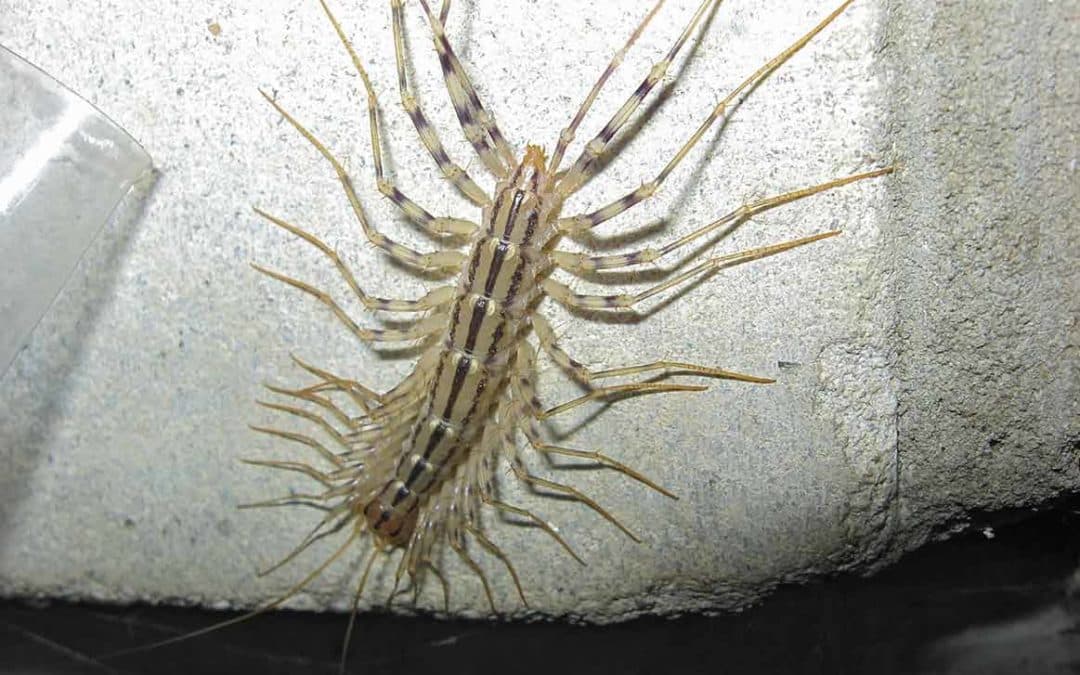
Centipedes specimen photo
CentipedesScutigera coleoptrata

Centipedes

House centipedes come indoors hunting other insects. Finding them regularly usually means there is another pest population to address.

Field signs

Fast many legged insects in basements and bathrooms, especially where moisture collects.

Centipedes prefer damp, dark spaces. Controlling them means controlling moisture and the insects they feed on, not just the centipedes themselves.

The treatment

Perimeter and interior treatment paired with advice on the moisture conditions that attract them.

Fig. 12
Urban Wildlife specimen photo
Urban WildlifeProcyon lotor · Sciurus

Urban Wildlife

Raccoons and squirrels have become a major urban problem, driven indoors by the building boom and warmer winters.

Field signs

Heavy thumping or scurrying in the attic, torn soffits or shingles, droppings near entry points.

Raccoons tend to move inside to nest when having babies. Squirrels arrive for the same reason and generally do not want to leave. Both can do serious structural damage to a home.

The treatment

Humane live trapping. Animals are released at least five miles away in a wildlife area, families trapped together and released together, followed by repairs to the entry points.

Fig. 13
Deer Mice & Hantavirus specimen photo
Deer Mice & HantavirusPeromyscus maniculatus

Deer Mice & Hantavirus

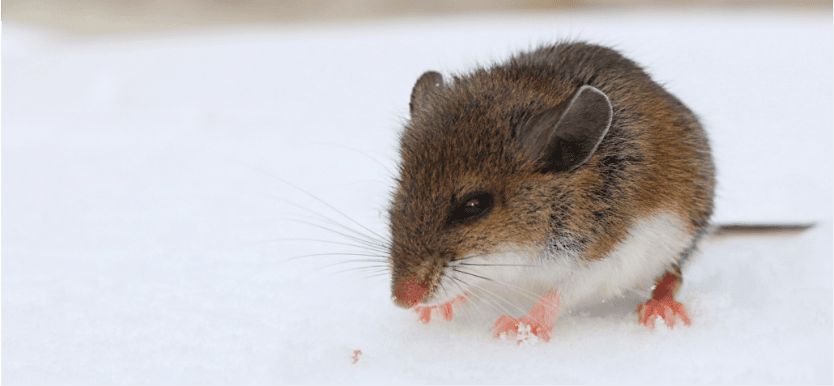
The deer mouse, brown on top and white underneath, is the principal carrier of Hantavirus in Ontario.

Field signs

Bi-coloured mice in garages, sheds and cottages, droppings in stored boxes and bedding.

Hantavirus was first detected in the American Southwest in the late 1980s and eventually found its way into Ontario. It is transmitted by inhaling particulate matter from droppings and urine, and disease mortality in humans is high.

If you have deer mice, be very careful cleaning up droppings. Do not sweep or vacuum dry droppings.

The treatment

Professional removal and exclusion, with guidance on safe cleanup of contaminated areas.

Specimen not listed?

Describe it over the phone. Identification is free.

Call (905) 318-1242
Call 24/7Free consult